





Introduction
Modern digital products are no longer judged only by how they look or what features they offer. Users today evaluate experiences based on how effortlessly they can navigate, understand, and complete their goals. Redefining user journeys has become a strategic priority for organizations that want to stay competitive in a rapidly evolving digital landscape.
Experience design now sits at the intersection of business strategy, technology, and human behavior. When done right, it creates seamless interactions that feel intuitive, purposeful, and valuable. Modern experience design is not about decoration—it is about designing meaningful paths that guide users from first interaction to long-term engagement.
As digital touchpoints increase across platforms and devices, businesses must rethink how users move through their systems. A well-designed journey reduces friction, increases trust, and ultimately drives measurable outcomes such as higher conversions, stronger retention, and improved brand perception.
Understanding the Shift Toward Experience-Led Design
Traditional design approaches often focused on isolated screens or individual features. Modern experience design, however, views the product as a connected ecosystem where every interaction influences the next. This shift places the user journey at the center of all design decisions. Organizations are realizing that user frustration often comes from poorly connected flows rather than missing functionality. Experience-led design identifies these gaps and redesigns interactions to feel cohesive and intentional. This approach ensures that users are guided smoothly, without confusion or unnecessary effort.
By prioritizing experience over aesthetics alone, businesses can align user needs with business objectives. This alignment results in digital products that are not only visually appealing but also strategically effective and easy to use.
Core Elements of a Modern User Journey
User-Centered Research and Insights
Modern experience design begins with a deep understanding of user behavior, motivations, and pain points. Research-driven insights allow designers to map real user expectations instead of assumptions. This foundation ensures that every design decision serves a clear purpose within the journey.
Consistent Interaction Patterns
Consistency across layouts, navigation, and interactions helps users feel confident as they move through a product. When patterns are predictable, users spend less time learning and more time engaging. Consistency also strengthens brand recognition and usability across platforms.
Context-Aware Design Decisions
Modern journeys adapt to user context, such as device type, location, or stage in the journey. Context-aware design reduces cognitive load by presenting relevant information at the right time. This approach makes experiences feel personalized without being intrusive.
Seamless Cross-Platform Experiences
Users often switch between devices while completing tasks. Modern experience design ensures continuity across web, mobile, and other digital touchpoints. A seamless transition between platforms builds trust and eliminates frustration caused by broken journeys.
Feedback and Micro-Interactions
Subtle animations, confirmations, and system responses guide users and reassure them that actions are successful. These micro-interactions play a crucial role in making journeys feel responsive and human. They enhance clarity without overwhelming the interface.
The Business Impact of Optimized User Journeys
Redefining user journeys has a direct impact on business performance. When users can achieve their goals effortlessly, engagement and satisfaction naturally increase. This leads to stronger customer loyalty and long-term value. Optimized journeys also reduce support costs by minimizing confusion and errors. Clear flows and intuitive interactions help users self-serve, freeing teams to focus on innovation rather than problem resolution. Over time, this operational efficiency becomes a competitive advantage.
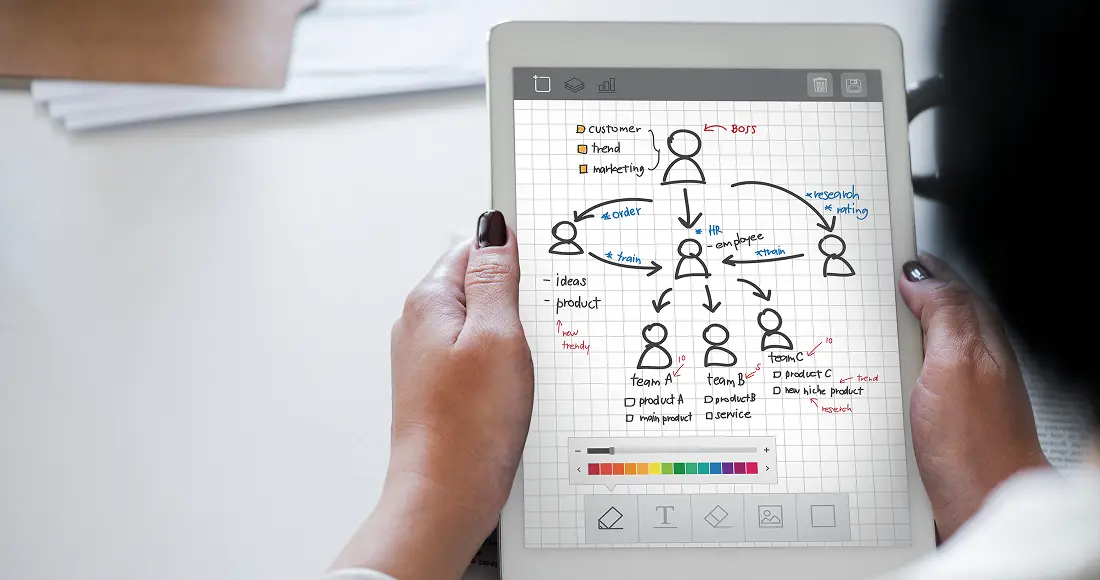
From a strategic perspective, well-designed journeys provide valuable data insights. By analyzing how users move through experiences, organizations can continuously refine their products, improve conversion rates, and adapt quickly to changing user expectations.
Key Principles for Designing Effective User Journeys
-
Clarity Over Complexity: Design should simplify decision-making rather than introduce unnecessary options. Clear pathways help users move forward with confidence and reduce drop-offs caused by confusion.
-
Purpose-Driven Interactions: Every interaction should serve a clear purpose within the journey. Eliminating redundant steps keeps experiences focused and efficient.
-
Emotional Engagement: Modern experience design considers how users feel at each stage. Positive emotional cues build trust and encourage long-term engagement.
-
Data-Informed Iteration: User journeys should evolve based on real usage data and feedback. Continuous improvement ensures relevance and effectiveness over time.
-
Scalability and Flexibility: Journeys must adapt as products grow and user needs change. Scalable design systems support consistent experiences without limiting future expansion.
Conclusion
Redefining user journeys is no longer optional for businesses aiming to succeed in the digital era. Modern experience design transforms interactions into meaningful pathways that connect users with value at every step. It shifts the focus from isolated features to holistic, end-to-end experiences. By investing in user-centered research, consistent design systems, and data-driven iteration, organizations can create journeys that are intuitive, inclusive, and impactful. These journeys not only enhance usability but also strengthen brand credibility and customer relationships.
Ultimately, modern experience design is about empathy and strategy working together. When user journeys are thoughtfully designed, they become powerful drivers of business growth, innovation, and long-term success.
Jonathan Klein
·
18 Nov 2025
This article provides a surprisingly deep and practical breakdown of how a real product roadmap should be built. I really appreciate how each section dives into the “why” behind the process, not just the “how.” It’s rare to find content that balances strategy and execution this well, and this one truly stands out.
Oliver Bennett
·
21 Nov 2025
Great point, Emily. A good RICE template would really help teams maintain consistency in scoring. Looking forward to seeing what ENX releases — this blog has already raised the bar for roadmap content.
Isabella Hughes
·
21 Nov 2025
I agree completely! Clear examples make it so much easier to put these frameworks into practice. The explanations were excellent, and a template will make it even more actionable for product teams.
Liam Anderson
·
19 Nov 2025
I really connected with the part about keeping roadmaps flexible and iterative. Many organizations still treat roadmaps like fixed contracts, which creates unnecessary pressure. Your explanation helps highlight the importance of adaptability in modern product development.
Sofia Martinez
·
19 Nov 2025
I really connected with the part about keeping roadmaps flexible and iterative. Many organizations still treat roadmaps like fixed contracts, which creates unnecessary pressure. Your explanation helps highlight the importance of adaptability in modern product development.
Christopher Hayes
·
21 Nov 2025
This blog is incredibly thorough and well-crafted. The emphasis on data-driven decision-making really resonates with modern product teams. I appreciate how each section builds on the previous one, making the entire roadmap process feel achievable even for smaller teams. It’s rare to find content that blends strategy, clarity, application this effectively.
Victoria Collins
·
21 Nov 2025
What a powerful and insightful read! I especially loved the part about communication across teams — so many organizations underestimate how critical that is for a successful product rollout. The examples, explanations, and structured approach make this one of the most useful product roadmap guides I’ve come across. Definitely sharing this with my project and UX leads.